01
Law school tier shapes initial job placement, with lasting effects on career trajectory.
a new generation.
A national study following the lawyers admitted to the bar in 2024 through the first decade of their careers.
A generational benchmark of the contemporary U.S. legal profession.
After the JD (AJD) is the largest and most ambitious study ever undertaken by researchers of legal careers.
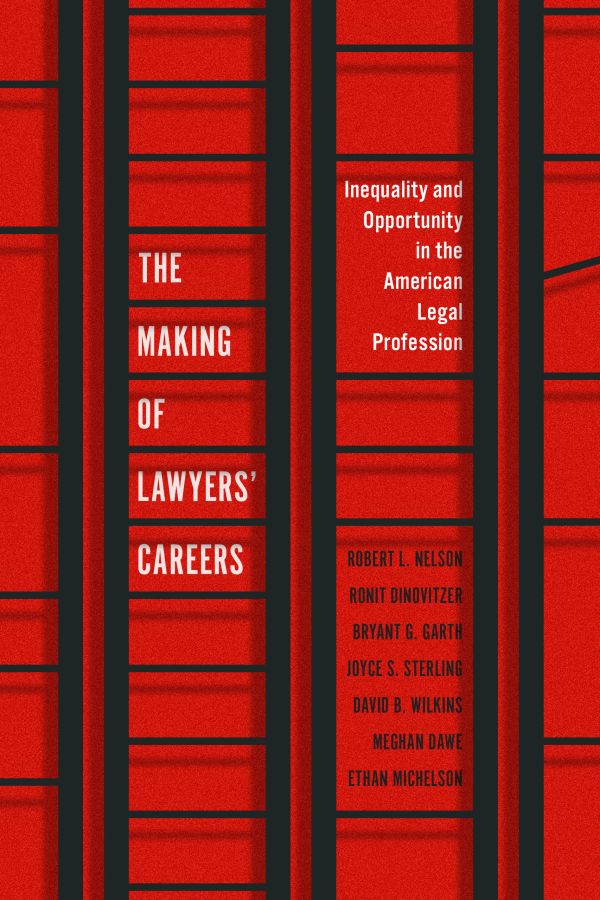
Its findings — published in The Making of Lawyers’ Careers — have been used by law school administrators, legal professionals, and scholars to deepen our understanding of how legal careers unfold and how the profession itself is changing. More information about the original study is available here.
After the JD: A New Generation builds on this foundation. Led by a team of lawyers and social science researchers, the study follows lawyers admitted to the bar in 2024 through the first decade of their careers.
The legal profession has changed profoundly since 2000. The COVID-19 pandemic has reshaped both legal education and the workplace; student debt has risen sharply; the social and political landscape has shifted significantly; and new technologies — including generative AI — are reshaping what it means to build a legal career. Its effects are expected to ripple across all professional ranks and settings, destabilizing long-worn patterns.
Following a new generation of American lawyers in a changing legal profession.
After the JD: A New Generation will provide the first generational account of these changes. We are at a critical moment requiring systematic study of how legal careers adapt to technological, social, and political transformations.
The study targets lawyers admitted to the bar in 2024 through a nationally representative design. Its first phase combines two complementary methods.
The first three waves of data from After the JD generated more than fifty publications and culminated in The Making of Lawyers’ Careers, which reviewers call “the gold standard for studying legal careers.”
Law school tier shapes initial job placement, with lasting effects on career trajectory.
Legal careers are highly mobile yet patterned — mobility follows recognizable pathways across sectors.
Gender pay gaps emerge early, persist, and widen across lawyers’ careers.
Attorneys of color report persistent experiences of racial discrimination and workplace bias.
Social origin and class background shape access to elite positions and professional networks.
78% of lawyers report moderate-to-extreme satisfaction with their decision to become lawyers, despite these inequalities.
The Capstone Book
The Making of Lawyers’ Careers
Inequality and Opportunity in the American Legal Profession
The American Bar Foundation is an independent research institute advancing the understanding of law, legal processes, and legal institutions through rigorous empirical social science.
Project Coordinator